Pennies for Your Thoughts:
A Researcher’s Journey from Small Moments to Big Impact
In the world of child and family well-being, it’s not often that we find a perfect synergy between research and practice. But in the case of Sheila Sjolseth, a doctoral candidate and researcher at Auburn University, and her work with the nonprofit Pennies of Time, that’s exactly what we’ve discovered. Sheila’s research on child mental health and family resilience, combined with her hands-on experience promoting positive childhood experiences and family engagement through Pennies of Time, creates a unique and powerful perspective on what it takes to help children and families thrive.
We sat down with Sheila to learn more about this intersection of research and practice and to hear her insights on how we can all work towards a world where every child and family has the support they need to flourish.
Interview
Linsey: Sheila, your research focuses on child mental health and family resilience. But, before this current return to graduate school, most of us knew you as a leader of Pennies of Time. Can you tell us more about how your work with Pennies of Time has informed or influenced this focus?
Sheila: Absolutely. My time with Pennies of Time really highlighted for me the importance of considering systems and the power of transforming in small, meaningful moments. The whole community and family system when we’re thinking about helping others or child well-being.
Families taking small portions of time to help the community ignited small and large changes that helped others. That same effort also strengthened children’s social-emotional skills and the meaningful relationships between family members.
Through our work engaging families in service and positive activities, I saw firsthand how the strength and resilience of the family unit plays such a critical role in a child’s mental health and overall development. It’s not just about providing services or supports to individual children, but about empowering and equipping entire families to work meaningfully together to weather challenges together. That understanding has become a core part of my research agenda – looking at how we can best support the well-being and resilience of children within the context of their family relationships and experiences.
Linsey: Can you give an example of how your work with Pennies of Time and your current research inform each other?
Sheila: One key example is the importance of nurturing a sense of contribution and mattering in children and families. Through Pennies of Time, we saw how transformative it could be for families to work together towards helping others or improving their community. Now, in my research, I’m investigating how this sense of mattering can be a protective factor for mental health and resilience, and how we can create more opportunities for children and families to experience themselves as capable, contributing members of their communities. There’s a synergy between the insights from practice and the questions that drive research, all to create a world where every child and family can reach their full potential.
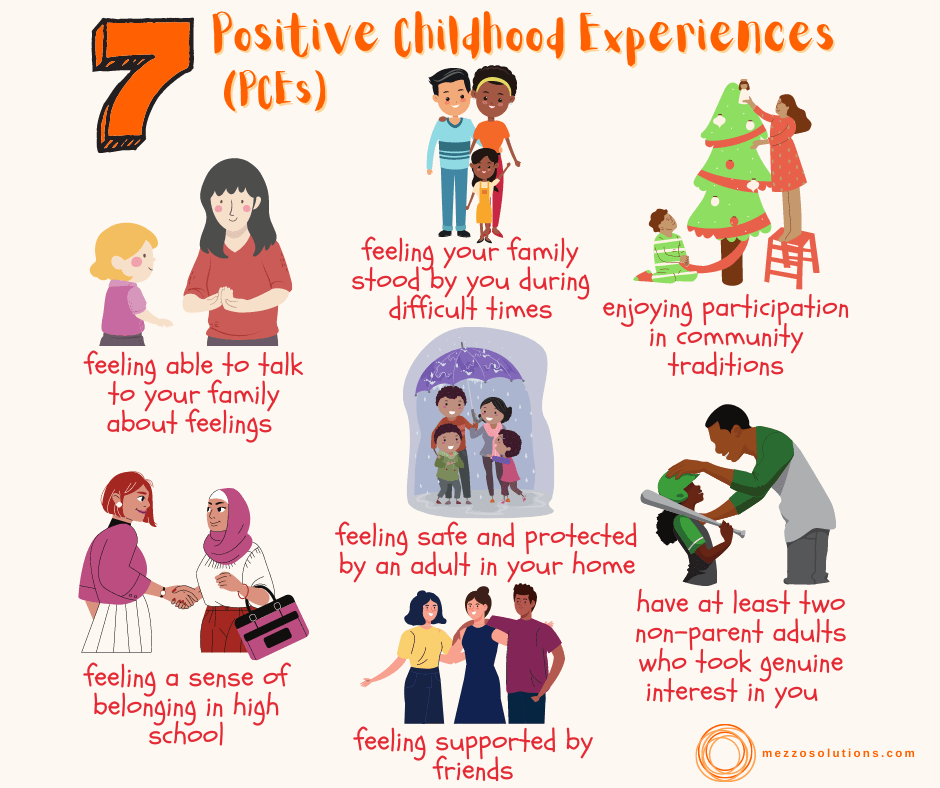
There’s a growing body of evidence showing that positive experiences – things like supportive family relationships, a sense of belonging in community, opportunities to learn and contribute – can be incredibly protective for child mental health, even in the face of adversity. What’s exciting is that this isn’t just an abstract research finding – it’s something we can intentionally cultivate in the lives of children and families!
In my research, I’m looking at how we can leverage positive childhood experiences to promote resilience and mitigate the effects of stress or trauma. And with Pennies of Time, this action looked like creating opportunities for families to have these kinds of enriching experiences together – whether it was a service project to help a neighbor in need, a gratitude challenge to shift family focus to the positive, or a simple toolkit for doing kindness on the go. The idea is that by intentionally infusing more of these positive experiences into the fabric of family life, we can boost children’s and adults’ well-being and resilience.
Linsey: Another striking parallel between your research and your work with Pennies of Time is this emphasis on community. Can you speak more to the role of community in supporting child and family well-being?
Sheila: I’m so glad you brought up the community piece, because it’s absolutely essential. My systems perspective on child and family well-being recognizes that families don’t exist in a vacuum – they’re embedded within these larger community contexts that can either support or hinder their thriving—stress their capacities. In my research, I’m interested in understanding how factors like access to quality healthcare, safe and nurturing school environments, or strong social support networks can buffer the effects of family stress and promote resilience.
And this community-oriented lens was also central to the work of Pennies of Time. So many of our initiatives were about encouraging families to look outward, to consider how they could make a positive difference in their schools, neighborhoods, and communities. The idea was to foster this sense of connectedness and contribution – to help families see themselves not just as recipients of support, but as active agents of positive change. And what we saw was that this community engagement not only benefited the recipients of service, but also had this profound ripple effect on the families themselves. It strengthened their sense of purpose, problem-solving abilities, social bonds, and perspective on challenges and resources.
So in both research and practice, there’s this recognition that supporting child and family well-being is not just an individual or even a family-level endeavor – it’s about strengthening the community, so to speak. It’s about creating places where all families have access to the resources, relationships, and opportunities they need to thrive.

Linsey: Finally, what do you see as the most exciting or promising directions for future research and practice in the field of child and family well-being?
Sheila: There are so many exciting directions, but I think one of the most promising is this increasing integration of research, practice, and policy. We’re seeing more and more examples of researchers partnering closely with practitioners and policymakers to ensure that their work is informed and informative for real-world challenges and opportunities.
We’re seeing a greater emphasis on translating research findings into accessible, actionable tools and resources that families and communities can readily use. And we’re seeing a growing recognition that to truly move the needle on child and family well-being, we need to be working at multiple levels – not just providing direct services, but also advocating for policies and systems changes that address the root causes of adversity and inequity.
I’m particularly excited about the potential of community-based participatory research approaches, which really center the voices and experiences of families and communities in the research process. By collaborating closely with the people most impacted by the issues we’re studying, we can ensure that our research questions, methods, and findings are truly relevant and responsive to their needs and priorities.
And I’m also energized by the growing momentum around prevention and early intervention. There’s a real shift happening from a reactive, crisis-oriented approach to a more proactive, upstream one – a recognition that by investing early and often in the well-being of children and families, we can prevent so much suffering and cost down the line. This point of action is where I see the work of organizations like Pennies of Time being so vital – by providing families with tools and experiences to build resilience and strengthen relationships from the start, we can set children up for a lifetime of healthy development and thriving.

Linsey Thompson is a writer and self-proclaimed “fun-thusiast” who has made it her mission to explore and share the best ways to bring joy and laughter into her life. With a background in early childhood education and a passion for creative play, Linsey has become a voice for others looking to infuse more fun and positivity into their routines. When she’s not writing or chasing after her own two lively children, Linsey can usually be found volunteering at her local children’s museum, testing out new play recipes in her kitchen, or leading impromptu dance parties in her living room.
 Sheila Sjolseth